Spider veins rarely hurt. They don’t usually signal anything dangerous. But for a lot of people, they’re the reason shorts stay in the drawer and summer dresses go unworn.
The good news is that spider vein treatment is one of the most established, well-studied procedures in vein medicine. Sclerotherapy has been refined for decades, it’s performed in the office without anesthesia, and most patients are back to their day within minutes of finishing. Here’s how it works, what a realistic timeline looks like, and why late fall is the season vein specialists prefer.
What is sclerotherapy?
Sclerotherapy is an injection treatment. A very fine needle delivers a medication called a sclerosant directly into the unwanted vein. The sclerosant irritates the vein’s inner lining, causing it to collapse and seal shut. Over the following weeks, your body gradually reabsorbs the closed vein, and blood reroutes through healthier vessels nearby.
The result is that the vein fades from view. Because the vein is reabsorbed rather than removed, there are no incisions and no scars.
Sclerotherapy is considered the gold standard for:
- Spider veins: the fine red, purple or blue webs on the legs and sometimes the face
- Reticular veins: the slightly larger blue-green “feeder” veins that often sit just beneath spider veins
- Small varicose veins: aren’t large enough to need laser or radiofrequency ablation
For larger or deeper veins, we use ultrasound-guided foam sclerotherapy or Varithena, which are related treatments designed for veins you can’t see at the surface. You can read about those at stlouislaserveins.com/procedures/foam-and-ultrasound-sclerotherapy.
The importance of a thorough evaluation
Here’s something many patients don’t hear at a spa or a general cosmetic clinic: spider veins are often the visible tip of a deeper problem underneath.
When the one-way valves inside leg veins weaken, blood pools and backs up. That pressure pushes outward into smaller and smaller veins until it reaches the surface as spider veins. If you treat only what you can see, the pressure underneath keeps feeding new spider veins, and they come back.
That’s why Dr. Wright begins with a medical history and, when there’s any sign of underlying venous insufficiency (aching, heaviness, swelling, veins that keep returning), a quick ultrasound of the leg. If a feeder vein or refluxing vein is driving the problem, treating it first gives your sclerotherapy results a much better chance of lasting. Our ultrasound evaluation is explained at stlouislaserveins.com/procedures/vein-doppler-ultrasound.
Dr. Thomas Wright is a Diplomate of the American Board of Venous and Lymphatic Medicine and was among the first 200 physicians in the country to earn diplomate status from the American Board of Phlebology. He is also a certified medical sonographer, which means the person reading your ultrasound is the same person planning your treatment.
What a treatment visit looks like
A typical session takes 15 to 45 minutes depending on how many veins are treated.
- Photos and mapping. We photograph the treatment area so you can compare results later.
- Cleansing. The skin is cleaned. No numbing is needed; the needle is finer than most people expect.
- Injections. Each vein receives a small amount of sclerosant. You may feel a mild sting or cramping sensation for a few seconds.
- Compression. Light pressure is applied, and you’ll put on compression stockings before you leave.
- Walk out. We’ll ask you to walk for about 10 to 15 minutes right away to keep blood moving.
Most people drive themselves home and return to normal activities the same day. We recommend avoiding hot baths, saunas and strenuous leg workouts for a few days, and keeping the treated area out of direct sun while it heals.
How many sessions, and when you’ll see results
Sclerotherapy works, but it works gradually.
- Most patients need two to four sessions, spaced about six weeks apart to treat a given area fully.
- Each session typically clears a significant portion of the treated veins, but not every vein responds to the first injection.
- Treated veins often look worse before they look better. In the first days, a vein can appear red and inflamed. Then it may darken as the trapped blood clots inside it. Over the following weeks it fades to brown, then lighter, then gone.
- Many veins disappear in six to eight weeks. Some stubborn veins can take up to eight months to fully fade.
A simple self-check from Dr. Wright: if you press on a treated vein and the color blanches (pushes out), the vein is still open and may need another treatment. If the color doesn’t move, the vein is sealed and your body is still clearing it.
Side effects and safety
Sclerotherapy has an excellent safety record when performed by a trained vein specialist. Common, temporary effects include:
- Bruising or small raised welts at injection sites, which resolve within days
- Temporary brown discoloration along the treated vein (hyperpigmentation), which usually fades over weeks to months
- “Matting,” a blush of tiny new vessels near a treated area, which often resolves on its own or with a follow-up treatment
Rare complications include skin ulceration at an injection site, allergic reaction, and blood clots. These are uncommon in experienced hands and are one reason we recommend treatment by a physician who understands vein disease rather than a provider who only offers cosmetic injections.
Sclerotherapy is not performed during pregnancy or breastfeeding, and we’ll ask about any history of clotting disorders, deep vein thrombosis or allergies before your first session.
Why fall and winter are the best seasons for treatment
Vein specialists quietly love this time of year, for three reasons.
Compression is comfortable. Wearing compression stockings for a week or two is easy in October and miserable in July.
Sun exposure is low. Fresh treatment sites are prone to darkening with UV exposure. Shorter days and long pants make it simple to protect your legs while they heal.
You finish before summer. Since a full series takes a few months, starting in late fall means the fading process wraps up by spring. Your legs are clear by the time you want to show them.
Open house special: 12 months of spider vein treatment for $1,000
If you’ve been putting this off, our Fall Open House on Thursday, October 29, 2026 is the day to commit. For one day only, we’re offering two ways to save on cosmetic sclerotherapy for the legs:
- 12 months of spider vein treatment, $1,000. A full year of sclerotherapy sessions, spaced about six weeks apart, covering spider veins, reticular veins and small varicose veins on the legs. For most patients, that’s enough to treat both legs fully and handle touch-ups along the way.
- Single session, $400. A good fit if you have a small area to treat or want to see how your veins respond before committing to more.
Both are open house pricing only, treated by Dr. Wright’s vein team with the same evaluation-first approach described above. Because the package runs a full year, you can start now, finish before summer, and still have visits in reserve.
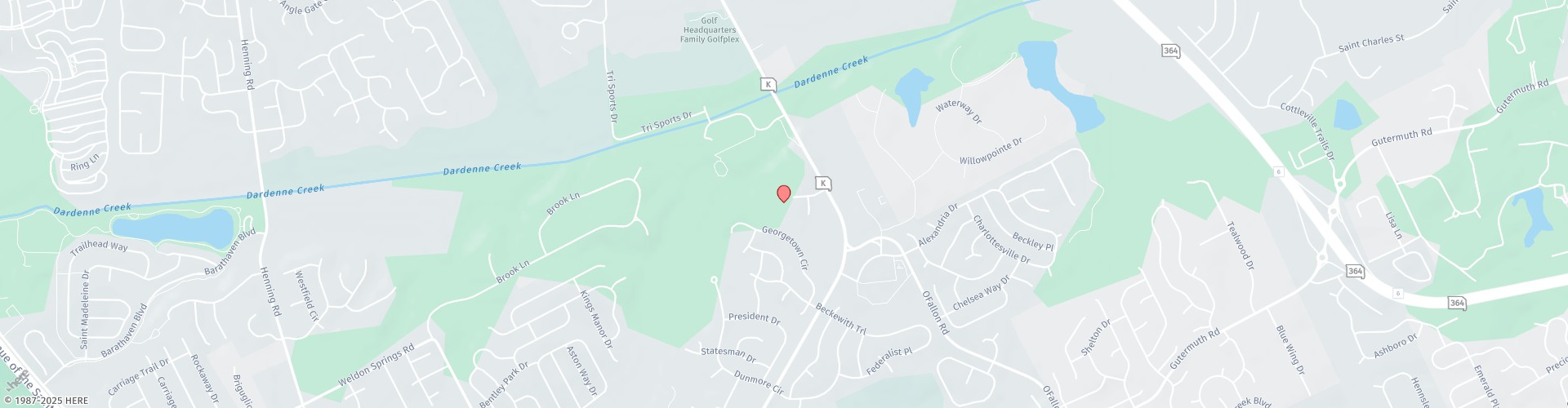
These prices are only available at the open house, from 10:00 AM to 7:00 PM at 1630 Market Center Blvd, Suite 201, in O’Fallon. Stop by to meet the team, ask questions and lock in your pricing. The open house also includes one-day pricing on Jeuveau, skincare and laser hair removal, $75 IV therapy, drawings for free products and services, light refreshments, and a $2,500 grand prize drawing for anyone who spends $100 or more. Members of our Preferred Patient Program save even more on most specials. RSVP is free; call (636) 614-1665 or register online.
Take the first step toward clearer legs
Spider veins don’t resolve on their own, and they tend to multiply over time. Treating them now, in the right season, with a physician who looks for the cause rather than just the symptom, gives you the best chance at results that last.
Schedule your sclerotherapy consultation at St. Louis Laser Vein Center, or join us at the Fall Open House on October 29 for one-day pricing: a full year of leg vein treatment for $1,000, or single sessions for $400. Call (314) 627-0755 to get started.