Deciding to treat your varicose veins is a big step, and one that often comes after years of aching, heavy legs. Once you have made that decision, the next question is practical: what do I actually need to do to get ready?
Good preparation makes treatment smoother, helps you get the most from insurance coverage, and sets you up for an easier recovery. This guide walks you through the process at St. Louis Laser Veins, from your first consultation to the days after your procedure.
Step 1: Schedule a Consultation and Vein Evaluation
Everything starts with an accurate diagnosis. Varicose veins are usually a visible symptom of an underlying problem called venous insufficiency, where valves inside the leg veins stop working and blood pools instead of flowing back toward the heart.
At your first visit, Dr. Wright will:
- Review your symptoms, medical history, and family history of vein disease
- Examine your legs for visible veins, swelling, skin changes, or discoloration
- Perform or order a venous ultrasound to map how blood is flowing in your veins
Why the ultrasound matters
The ultrasound is painless and takes about 30 to 60 minutes. It shows exactly which veins have failing valves and how severe the reflux is. Treatment is planned from this map, which is why an accurate, thorough ultrasound is one of the most important parts of preparation.
Come to this appointment with a list of your symptoms and when they started. Note whether your legs feel worse at the end of the day, whether you have night cramps or restless legs, and whether swelling is a problem.
Step 2: Understand Your Treatment Options
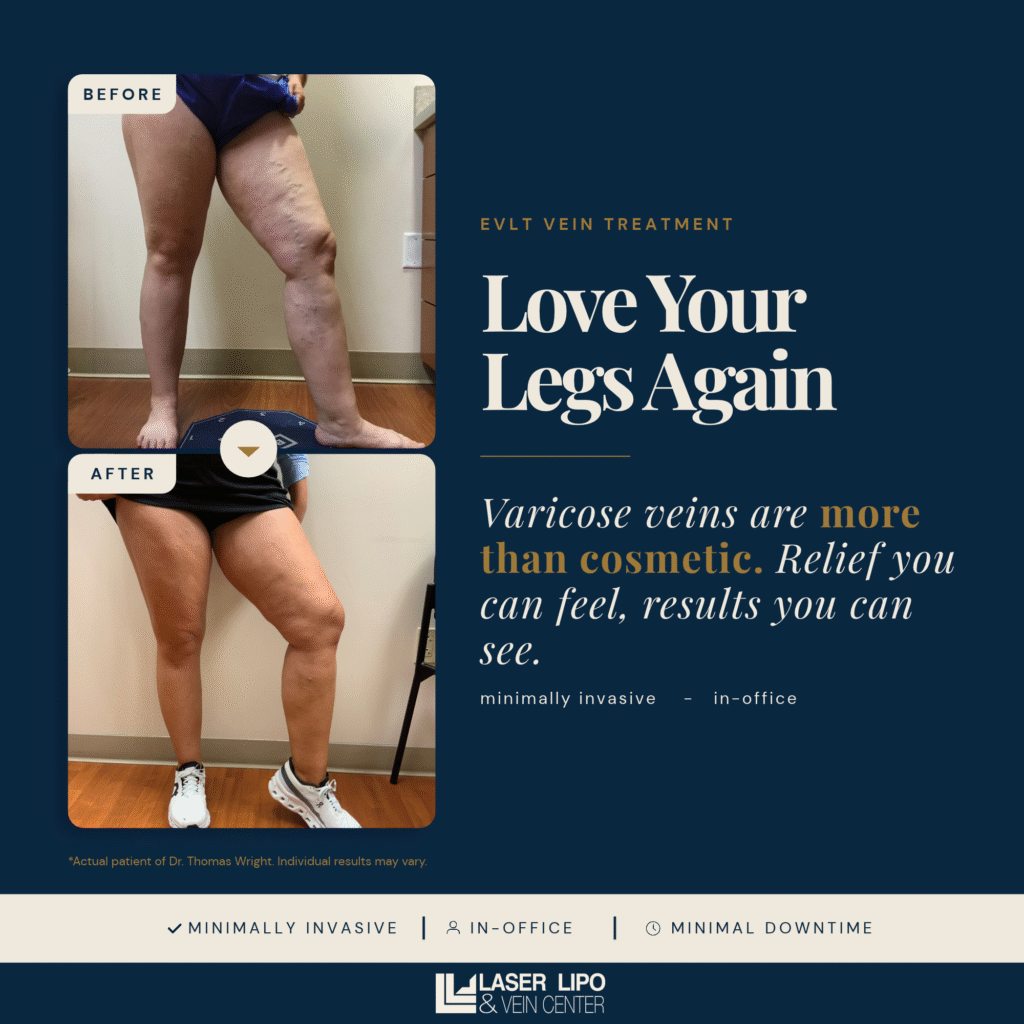
Once Dr. Wright has your ultrasound results, he will recommend a treatment plan. Modern vein treatment is minimally invasive and performed in the office. Depending on your veins, your plan may include:
- Endovenous laser ablation or radiofrequency ablation to close diseased saphenous veins from the inside
- Sclerotherapy to treat smaller varicose veins and spider veins with an injected solution
- Ambulatory phlebectomy to remove bulging surface veins through tiny incisions
Many patients need a combination. Ask how many sessions are expected, what each one involves, and what results are realistic for your veins. Understanding the plan reduces anxiety and helps you organize your schedule.
Step 3: Work Through Insurance Requirements
This is the step that surprises most patients. Vein treatment for medical symptoms is frequently covered by insurance, but insurers usually require documentation before approving it.
What insurers commonly ask for
- Ultrasound documentation of venous reflux
- Symptoms such as pain, swelling, heaviness, cramping, or skin changes
- A trial of conservative therapy, most often wearing prescription compression stockings for a set period, commonly six to twelve weeks
- Evidence that symptoms interfere with daily activities or work
Every plan is different. Our office will help you understand what your specific insurance requires and will submit the necessary documentation. If a conservative therapy trial is needed, start it as early as possible so it does not delay treatment.
Cosmetic spider vein treatment is generally not covered, and we will be transparent with you about which parts of your plan are medical and which are elective.
Step 4: Complete Any Required Conservative Therapy
If your insurer requires a period of compression stocking use, treat it as a real part of your preparation, not a box to check.
- Wear the stockings as prescribed, usually during waking hours
- Elevate your legs when resting
- Walk regularly to support circulation
- Keep a simple log of your symptoms during this period
Keep in mind that compression manages symptoms but does not fix failing valves. Many patients find their symptoms improve somewhat with compression and then return when they stop. That pattern is actually useful documentation that treatment is medically necessary.
Step 5: Prepare Your Health and Medications
In the weeks before your procedure, a few practical steps make a difference.
Tell us about your medications
Bring a complete list of medications and supplements to your consultation. Be sure to mention blood thinners, aspirin, hormone therapy, and any supplements that affect bleeding, such as fish oil or vitamin E. Never stop a prescribed medication without instructions from the prescribing physician.
Share relevant health history
Let us know if you have a history of blood clots, are pregnant or planning to become pregnant, or have allergies to local anesthetics or adhesives.
Stay active and hydrated
Regular walking in the weeks leading up to treatment supports healthy circulation and can make recovery easier.
Avoid tanning and skin irritation
Sunburn or irritated skin on the treatment area may require rescheduling. Skip tanning beds and protect your legs from sun exposure.
Step 6: Plan for the Day of Treatment
Most vein procedures at our office take under an hour and use local anesthesia, so preparation is simpler than for hospital surgery.
- Eat normally unless instructed otherwise. There is usually no need to fast.
- Wear loose, comfortable clothing and bring your compression stockings.
- Skip lotions and oils on your legs that day.
- Arrange a ride if requested. Many patients can drive themselves after ablation, but it depends on the procedure and any medication given. We will tell you in advance.
- Bring your insurance card and ID, along with any paperwork we have asked you to complete.
Expect to walk immediately after the procedure. Walking is part of the treatment, not a restriction to be avoided.
Step 7: Set Up Your Recovery
Recovery from minimally invasive vein treatment is usually quick, but a little planning helps.
- Plan to wear compression stockings for one to two weeks, or as directed
- Take short walks several times a day for the first week
- Avoid heavy lifting, hot tubs, and long periods of standing still for about a week
- Expect mild bruising and tenderness along the treated vein
- Schedule your follow-up ultrasound, which confirms the vein has closed properly
If you have a job that requires standing for long hours, talk to us about timing. Most patients return to desk work the next day.
Why Choose St. Louis Laser Veins
Dr. Thomas F. Wright is a diplomate of the American Board of Venous and Lymphatic Medicine and was among the first 200 diplomates of the American Board of Phlebology. With more than 25 years of experience treating vein disease and active involvement with the American Vein and Lymphatic Society, he brings both depth and current expertise to every treatment plan.
Patients from across Missouri, including O’Fallon, St. Charles, and the greater St. Louis area, trust our practice for careful diagnosis and honest guidance about what treatment can achieve.
Ready to Get Started?
Preparation is easier when you have a team walking you through it. From your first ultrasound to insurance paperwork to recovery, we are here to make the process clear.
Schedule your vein consultation at St. Louis Laser Veins in O’Fallon or St. Louis and take the first step toward healthier, more comfortable legs. You can also visit our insurance information page to learn more about coverage for varicose vein treatment.