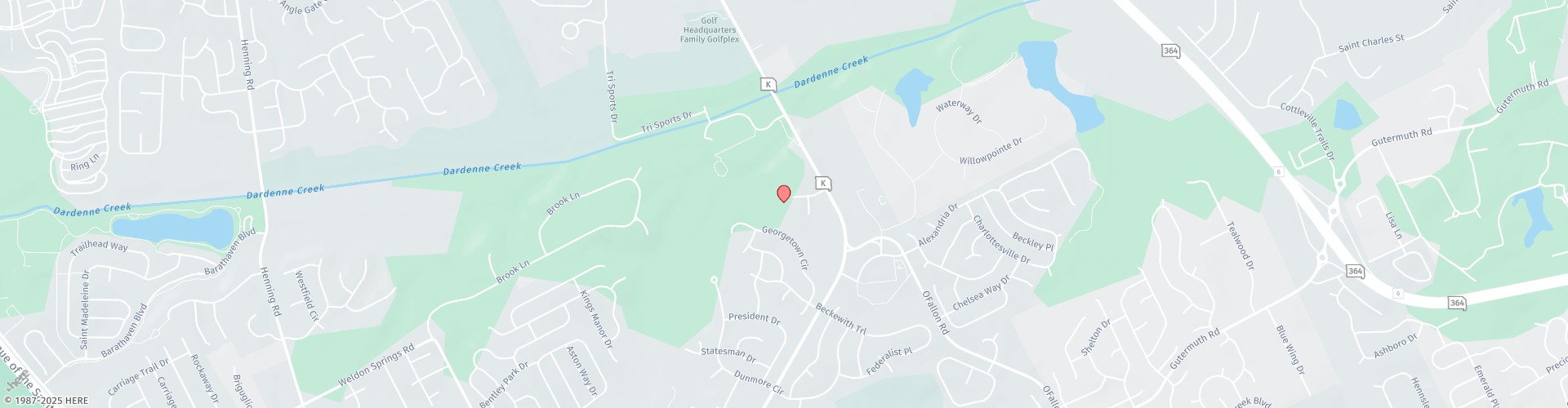
Every summer, the phones at our O’Fallon office tells the same story. Shorts season arrives, legs come out of hiding, and suddenly the varicose veins and spider veins that were easy to ignore all winter are impossible to overlook.
That leads to a flood of questions: Is it too late to treat my veins before summer ends? Does the Missouri heat make vein problems worse? Should I just wait until fall?
Dr. Thomas Wright, a board-certified vein specialist and diplomate of the American Board of Venous and Lymphatic Medicine, has treated vein disease in the St. Louis area for more than 25 years. Here are his answers to the questions patients ask most about summer vein treatment.
Does hot weather actually make vein symptoms worse?
For many people, yes. Heat causes veins to dilate, or widen. When the veins in your legs already have weakened valves, that extra dilation allows more blood to pool, which can make summer months noticeably more uncomfortable.
Patients often report that these symptoms flare in the St. Louis summer heat and humidity:
- Heaviness or aching in the legs, especially by the end of the day
- Swelling around the ankles and calves
- Throbbing, burning, or itching over visible veins
- Restless legs or nighttime cramping
If your legs feel worse in July than they did in January, that is not your imagination. It is also useful diagnostic information, because symptoms that worsen with heat and improve with elevation often point to underlying venous insufficiency rather than a purely cosmetic issue.
Can I have vein treatment during the summer, or do I have to wait?
You can absolutely be treated in summer. Modern vein procedures are minimally invasive, performed in the office, and do not require you to put your life on hold. Treatments like endovenous laser ablation and sclerotherapy typically allow patients to walk out of the office the same day and return to most normal activities quickly.
In fact, walking after treatment is encouraged because it supports healthy circulation during healing. A summer evening walk fits that prescription nicely.
There are a few seasonal considerations, which we will cover below, but none of them are reasons to spend another summer uncomfortable.
What about compression stockings in the heat?
This is the most common summer hesitation, and it is a fair one. Compression stockings are typically worn for a period after treatment to support results and comfort, and nobody loves the idea of them in a Missouri heat wave. However, only one or two weeks of compression is usually needed.
A few things make this easier than patients expect:
- Modern compression stockings come in lighter, more breathable fabrics than the thick styles many people picture
- The wear period after many procedures is measured in days to a few weeks, not months
- Many patients find that compression actually makes their legs feel better in the heat, since it counteracts the swelling that summer brings
During your consultation, Dr. Wright will explain exactly what compression is recommended for your specific treatment plan so there are no surprises.
Is sun exposure a problem after vein treatment?
Sun protection matters most after sclerotherapy, the injection treatment commonly used for spider veins. Treated areas can be more prone to temporary skin discoloration, and sun exposure may make that discoloration last longer.
This does not mean you have to hide indoors. It means being smart:
- Apply broad-spectrum sunscreen to treated areas when outdoors
- Favor shade during peak sun hours in the first weeks after treatment
- Skip tanning beds entirely during healing
For procedures that address deeper veins, such as laser ablation, sun exposure is less of a concern because the treatment happens beneath the skin surface.
How long does it take to see results?
This is where timing really matters, and it is the honest answer to the “summer ready legs” question.
Vein treatment is not an overnight fix. Spider veins treated with sclerotherapy often fade gradually over several weeks, and some patients need more than one session for the best result. Larger varicose veins treated with ablation improve over weeks to months as the body absorbs the closed vein.
What that means practically:
- Treating now can bring symptom relief relatively quickly, with visible improvement continuing through late summer and fall
- Treating in fall or winter positions your legs to look and feel their best by the following summer
Either way, the worst strategy is the one many people default to: waiting another year.
Should I just wait until fall then?
If your veins are purely cosmetic, quiet, and symptom free, fall is a perfectly reasonable time to plan treatment, and many patients like scheduling sclerotherapy in cooler months.
But if you are having symptoms, waiting has real costs. Venous insufficiency is a progressive condition. Left untreated, it can lead to worsening swelling, skin changes, and in more advanced cases, venous ulcers. Summer symptoms are often the body’s way of flagging a problem that deserves evaluation now, not eventually.
A diagnostic ultrasound at our office can determine whether your visible veins are a surface issue or a sign of deeper venous disease. That single appointment gives you the information to time your treatment wisely.
Is vein treatment covered by insurance?
Often, yes. When vein treatment is medically necessary, meaning you have documented venous insufficiency with symptoms, many insurance plans provide coverage. Purely cosmetic spider vein treatment is typically not covered. However, the majority of people have co-pays and deductibles that are greater than the cost of the vein treatment itself.
Our team helps St. Louis area patients navigate this process, including the ultrasound documentation and any conservative treatment requirements insurers may ask for. Those insurance steps can take time, which is another argument for starting the process sooner rather than later. Paying cash or using HSA or FSA money streamlines and speeds up the process eliminating the need for unnecessary visits and unnecessary trials of compression.
Why patients choose Dr. Wright for vein care in St. Louis
Vein disease sits at the intersection of medicine and quality of life, and it deserves a specialist. Dr. Wright is among the first 200 diplomates of the American Board of Phlebology and has spent more than two decades focused on venous and lymphatic disease. Patients travel from across Missouri and the Midwest to his O’Fallon office for evaluation and minimally invasive treatment.
Whether your goal is relief from aching, heavy legs or simply feeling confident in shorts again, treatment starts with an accurate diagnosis and a plan built around your life, including the season you are in.
Ready to stop planning your summers around your veins? Schedule a vein evaluation with Dr. Thomas Wright at St. Louis Laser Veins and get answers about the timing that is right for you.