Spring is the season of fresh starts. We clean out closets, open windows, and shake off the heaviness of winter. But here’s something most people don’t think about during their spring reset: their vascular health.
Your veins work hard every single day, pumping blood back up from your legs to your heart against the pull of gravity. When that system starts to break down, as it does for millions of Americans, the signs can be easy to dismiss. Aching legs. Visible veins. Swelling by the end of the day. Fatigue you can’t quite explain.
Spring is actually one of the best times to take a closer look at your vein health, and to take action if something feels off. Here’s what you need to know.
Why Spring Is the Right Time to Address Vein Problems
There’s no bad time to address vein disease, but spring has some real advantages:
Winter habits can make vein symptoms worse. Reduced activity, heavier clothing that hides symptoms, and more time sitting or standing indoors can all contribute to worsening vein health over the colder months. Spring is a natural reset point.
Treatment recovery is easier in mild weather. Most vein treatments require compression stockings during recovery. Wearing them is far more comfortable in spring and fall than in the heat of summer. Starting treatment now means you’ll be recovered and feeling great by the time temperatures peak.
You’ll have time to see results before summer. Vein treatment isn’t always instantaneous, some patients need multiple sessions, and the body takes time to absorb treated veins. Starting in spring gives your body time to heal before you want to wear shorts, swimsuits, or lighter clothing.
Do You Actually Have a Vein Problem? Signs to Watch For
Vein disease exists on a spectrum. Not everyone with a vein condition has rope-like varicose veins bulging from their legs. Symptoms can be subtle, and they’re often mistaken for something else entirely.
Watch for:
- Aching, heaviness, or fatigue in the legs, especially after standing or sitting for long periods
- Swelling in the ankles and lower legs, particularly by the end of the day
- Visible spider veins, small red, purple, or blue clusters near the skin’s surface
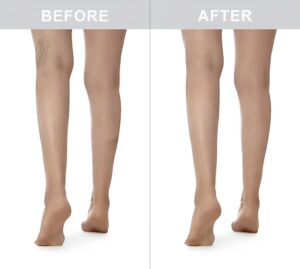
- Varicose veins, twisted, bulging veins that sit just beneath the skin
- Itching or burning around visible veins
- Leg cramps or restless legs, particularly at night
- Skin changes near the ankles, including discoloration or thickening
- Slow-healing sores or ulcers near the ankles (in more advanced cases)
If any of these sound familiar, it’s worth talking to a vein specialist. Vein disease is progressive, meaning it tends to get worse over time without treatment. The sooner it’s addressed, the simpler the treatment typically is.

Understanding the Difference: Spider Veins vs. Varicose Veins
These two terms are often used interchangeably, but they’re different conditions.
Spider veins are small, superficial vessels that appear close to the skin’s surface. They’re often red, blue, or purple and look like a web or starburst pattern. They’re primarily a cosmetic concern, though they can sometimes cause mild discomfort or itching.
Varicose veins are larger, deeper, and often bulge visibly beneath the skin. They’re caused by faulty valves within the vein that allow blood to pool instead of flowing efficiently back to the heart. Varicose veins are a medical concern, not just a cosmetic one, and they can lead to more serious complications if left untreated.
Both conditions are treatable, and Dr. Thomas Wright at St. Louis Laser Veins offers a range of options to address both.
What Vein Treatment Looks Like Today
Modern vein treatment has come a long way. The days of vein stripping, an older, more invasive surgical technique, are largely behind us. Today’s options are minimally invasive, performed in-office, and come with little to no downtime.
Common treatments offered at St. Louis Laser Veins include:
Sclerotherapy A solution is injected directly into the affected vein, causing it to close off and eventually be absorbed by the body. This is one of the most common treatments for both spider veins and smaller varicose veins. Most patients can return to normal activity the same day.
Endovenous Laser Treatment (EVLT) A thin laser fiber is inserted into the diseased vein, delivering targeted heat energy that causes the vein to collapse and seal. Blood naturally reroutes to healthier veins. This is highly effective for larger varicose veins and addresses the underlying source of the problem.
Radiofrequency Ablation Similar to EVLT but using radiofrequency energy rather than laser energy to close diseased veins. This approach is well-tolerated by patients and associated with minimal discomfort.
Microphlebectomy A minor surgical procedure in which very small incisions are made to remove bulging surface veins. Often combined with other treatments for comprehensive results.
Dr. Wright will recommend the right treatment, or combination of treatments, based on your individual anatomy, symptoms, and goals.
Lifestyle Tips for Better Vein Health This Spring
Treatment addresses existing vein disease, but good daily habits can help prevent new problems from developing and support your recovery if you do pursue treatment. As the weather warms and you’re spending more time outdoors, consider these simple practices:
- Get moving. Walking is one of the best things you can do for your veins. The muscle contractions in your calves help pump blood back up to the heart. Aim for at least 30 minutes of walking most days.
- Elevate your legs. At the end of the day, prop your legs up above heart level for 15–20 minutes. This gives your veins a break from working against gravity.
- Wear compression stockings. If you’re on your feet or sitting for long stretches, medical-grade compression stockings can help reduce symptoms and slow the progression of vein disease.
- Stay hydrated. Proper hydration keeps blood from thickening, which makes circulation easier.
- Maintain a healthy weight. Excess weight adds pressure to the veins in your legs, accelerating valve damage and symptom progression.
- Avoid prolonged standing or sitting. If your job requires long periods in one position, try to shift, stretch, or walk for a few minutes every hour.
Why Choose St. Louis Laser Veins
Dr. Thomas Wright has more than 25 years of experience treating vein disease in the St. Louis and O’Fallon, Missouri area. He takes a thorough, diagnostic approach to vein care, beginning with a comprehensive evaluation to understand the root cause of your symptoms before recommending any treatment.
This isn’t a one-size-fits-all practice. Dr. Wright takes time to understand each patient’s unique situation and designs a treatment plan accordingly.
Give Your Veins a Fresh Start This Spring
If you’ve been putting off addressing leg pain, swelling, or visible veins, there’s no better time than now. Spring is here, summer is coming, and your vein health is worth the attention.
Contact St. Louis Laser Veins to schedule a consultation with Dr. Wright. We serve patients throughout St. Louis, O’Fallon, and the surrounding Missouri region, and we’re here to help you feel better, from the inside out.